By fusing inputs from cameras, radar, and infrared, advanced algorithms overcome individual sensor limits, reduce false triggers, and deliver the precision needed to meet strict no‑collision requirements.
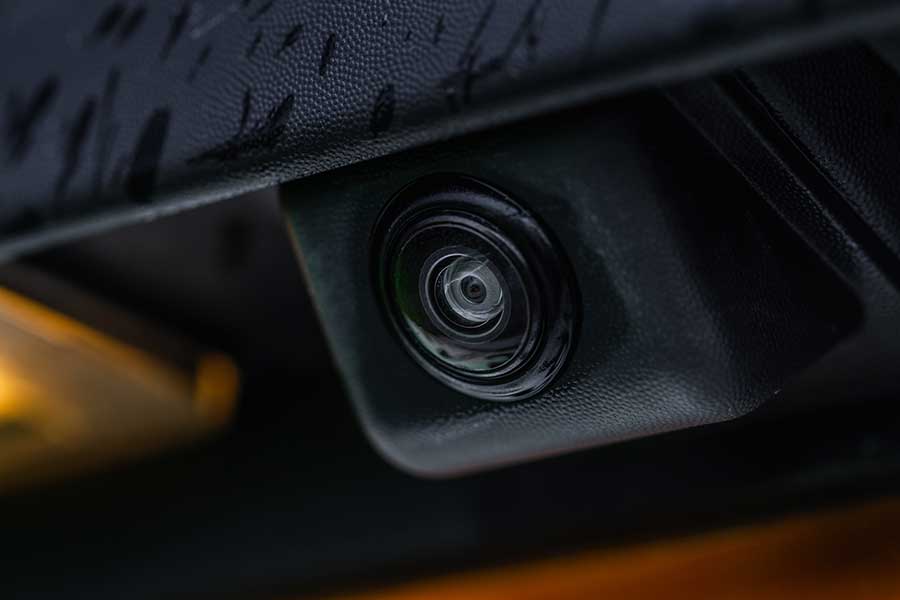
The real performance comes from the software that interprets sensor data and decides when to brake. The control unit must analyze camera, radar, and other inputs, determine whether a crash is likely, and respond quickly enough to prevent it, which is exactly what FMVSS 127 evaluates.
By combining multiple sensing modalities, the system can compensate for the weaknesses of any single sensor. If a camera is affected by glare or darkness, infrared can still provide accurate classification. NHTSA has emphasized that redundant sensing reduces missed hazards and minimizes false braking.
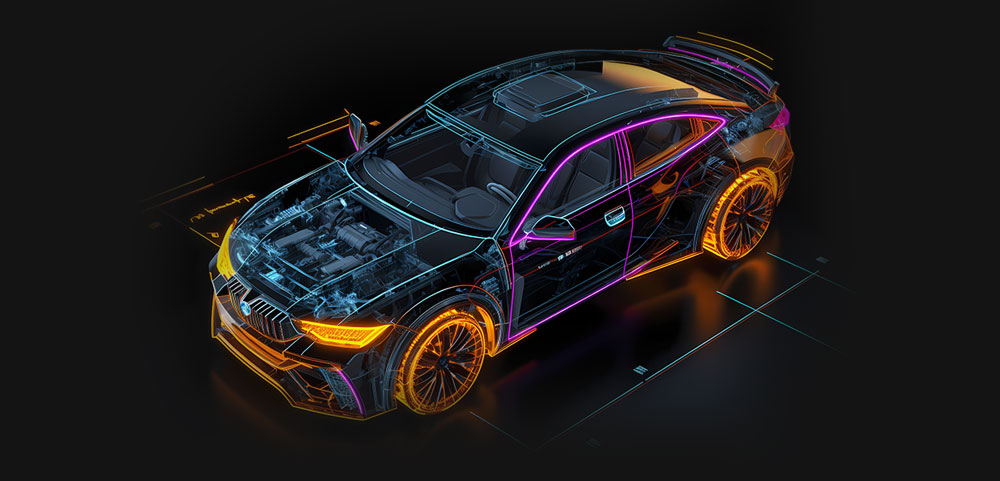
Infrared and visible-light cameras pair naturally as both provide image data, perception models can operate in a unified visual domain, rather than trying to merge fundamentally different formats like images and point clouds. This simplifies training and tracking, while thermal contrast strengthens detection in nighttime, glare, and low-visibility conditions.
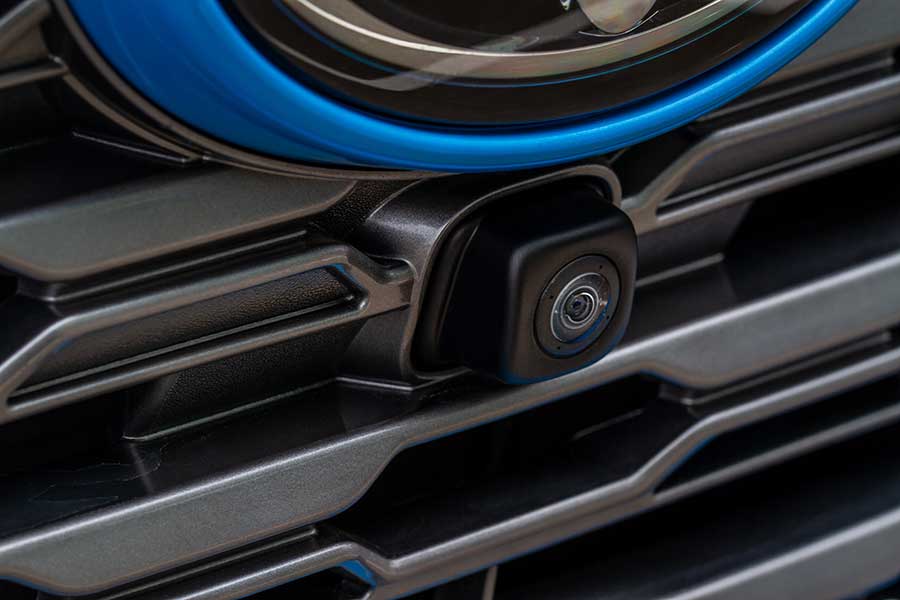
Fusion algorithms cross-check detections, track objects over time, and filter out noise so the system only reacts when multiple sensors agree. Together, advanced software and complementary sensing create the robustness needed to meet FMVSS 127’s strict no-collision requirements.