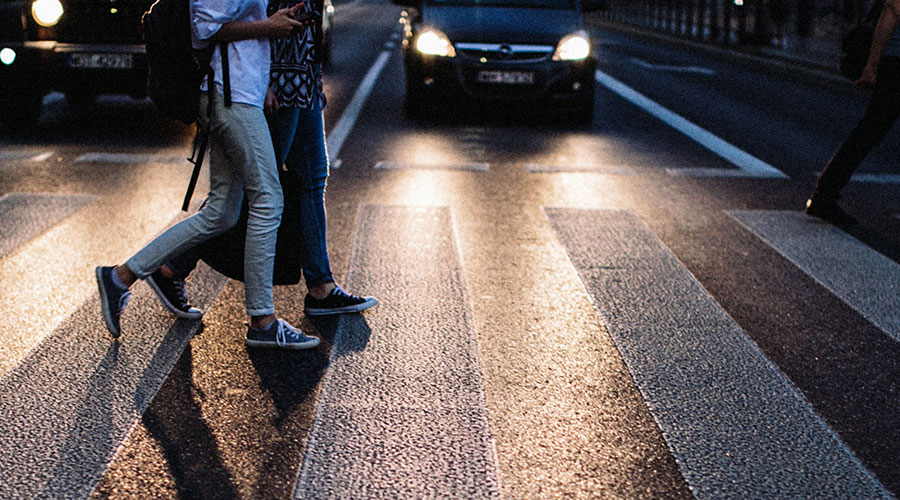
Infrared sensing complements cameras and radar by filling low‑light gaps, enabling more reliable nighttime pedestrian detection and stronger sensor fusion to meet FMVSS 127’s strict no‑collision requirements.
Infrared sensing can significantly improve AEB performance in FMVSS 127’s hardest scenarios, especially pedestrian detection at night. Darkness is where visible-light cameras and even some radars become less reliable, and during rulemaking Volkswagen noted that meeting the nighttime pedestrian requirement may effectively require infrared.
Thermal cameras detect heat rather than reflected light, so pedestrians appear as clear, high-contrast shapes even when headlamps provide limited illumination or clothing blends into the background. This directly addresses a major gap NHTSA observed: in nighttime tests around 65 km/h, no evaluated vehicle consistently avoided the pedestrian dummy. Infrared offers a more stable signal, giving the system earlier, more reliable detection.
It also strengthens tracking. A thermal signature remains visible through shadows, glare, and brief occlusions, helping the system maintain confidence in the target. When fused with camera and radar, thermal data helps confirm that the detected object is truly a person, supporting earlier and more decisive braking.
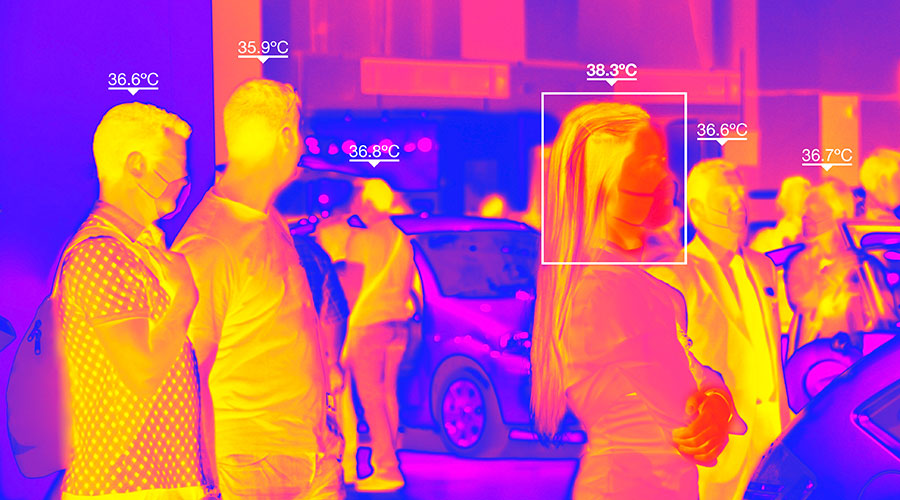
Infrared does not replace existing sensors, it complements them. By filling low-light and low-contrast gaps, a thermal channel creates a more resilient AEB system and supports the consistency needed to meet FMVSS 127 across all lighting conditions.