

FMVSS 127 challenges automakers to deliver consistent, collision‑free safety across every condition. These demanding standards drive precision, consistency, and innovation.
In low light and at higher speeds, today’s AEB systems often struggle to detect pedestrians early enough. In NHTSA’s evaluations, no vehicle consistently avoided the pedestrian target at ~65 km/h in darkness, showing how limited visibility weakens detection.
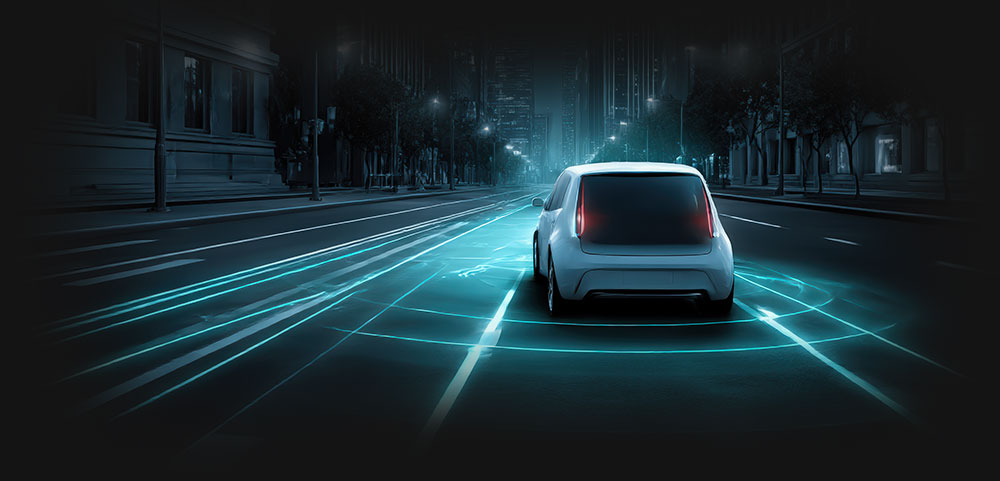
Timing is extremely tight. The standard expects “no contact,” so even a few tenths of a second in the AEB trigger point can change pass into fail. At highway speeds, sensors and algorithms must respond almost instantly and with repeatable precision.
Sensors must stay clean. Dirt, ice, or debris can block cameras and radars, reducing their effectiveness. FMVSS 127 directly addresses this by requiring vehicles to detect sensor obstruction and alert the driver.
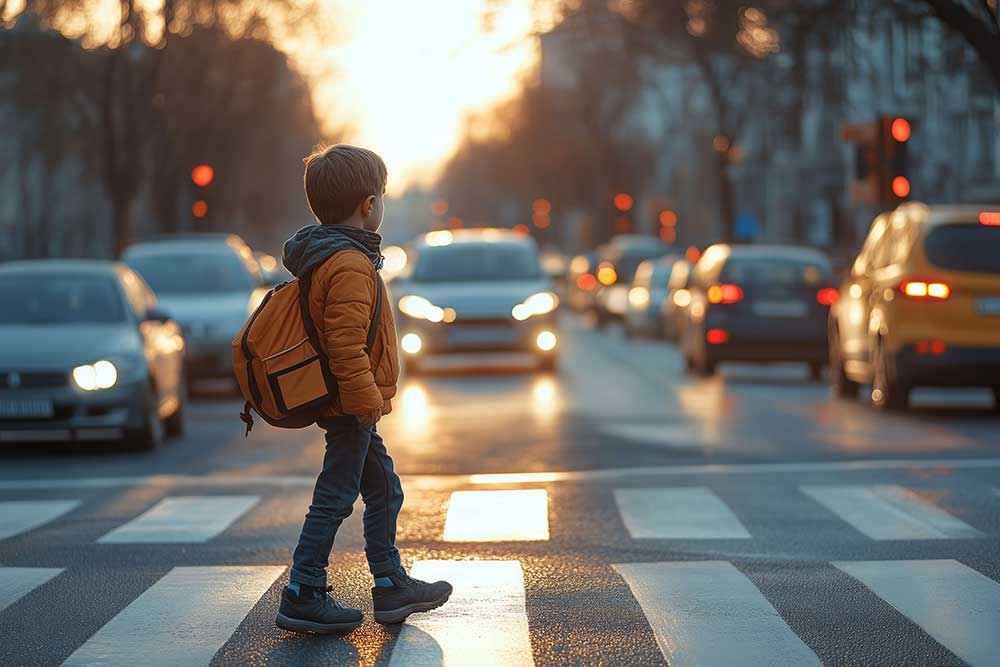
People vary in size, clothing, motion, and posture, and these changes affect detection confidence. NHTSA notes that real pedestrians can behave differently than standardized mannequins, making the problem even harder.
Altogether, darkness, tight timing windows, sensor cleanliness, and natural human variability, make achieving consistent, collision-free performance technically challenging.